

Key Takeaways
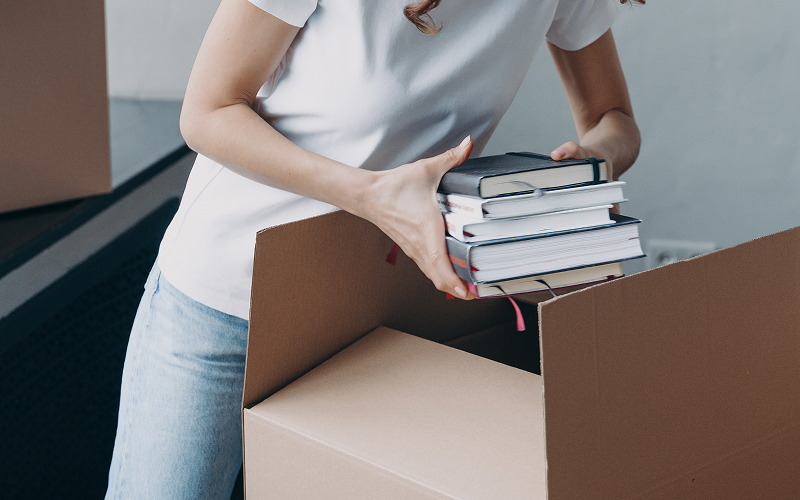
- Moving books requires more planning than many homeowners expect because books become heavy quickly and can be damaged by pressure, moisture or poor handling.
- Protecting books during relocation starts with sorting, categorising and using the right packing materials before moving day.
- Small, sturdy cartons are usually safer than large boxes because they reduce lifting strain and prevent the box from collapsing under weight.
- Valuable, rare, signed or sentimental books should be packed separately with additional protection.
- For a larger home library relocation, professional movers in Singapore can help manage packing, lifting, transport and access challenges more safely.
Introduction
Anyone who has packed a large bookshelf knows how quickly the task can become complicated.
A box of books may look harmless, but your back will disagree very quickly.
Books are deceptively heavy, moisture-sensitive, and surprisingly easy to damage during relocation if packed carelessly.
For homeowners in Singapore, additional concerns such as humidity, condo moving restrictions, limited lift access and tight corridors can make moving books even more challenging.
This matters even more if your books are not just casual reads, but part of a larger home library, a comic collection, years of academic references or sentimental copies you would hate to see damaged.
Whether you are relocating a compact reading collection from an HDB flat or moving an entire home library into a landed property or a condominium, careful preparation and packing can help protect your books from bent covers, torn pages, water exposure, and other damage during transit.
This guide walks you through the key steps to protect your books during a move, from choosing the right boxes and packing different book formats to preventing exposure to moisture, labelling cartons, and avoiding common mistakes.
Step-by-Step Guide to Moving Books Safely
Shifting books safely starts long before the first carton is sealed. From sorting and packing to transport and unpacking, each step affects how well your books arrive at your new home.
To prevent bent covers, torn pages, damaged spines, and exposure to moisture, focus on three stages: preparing your collection, packing it correctly, and unpacking it carefully.
Step 1: Sort, Declutter and Clean Your Books
Before packing, take time to review your collection and decide on what really needs to be moved.
This step might be difficult for most book lovers. If you have ever told yourself, “I might read this again someday,” this is the moment to be honest about what you actually want to bring along.
Separate books into categories such as keep, donate, sell, recycle, archive or store separately. This prevents unnecessary overpacking and makes it easier to plan your shelf space in the new home.
It is also useful to group your books by genre, author, shelf location, usage frequency or value. For larger collections, a simple box-numbering system or inventory list can help you track important editions and unpack them in the right order.
Before placing books into cartons, dust them lightly, wipe shelves clean and check for signs of dampness, mould or existing damage. In Singapore’s humid climate, packing dusty, damp or mould-affected books together can worsen odours and moisture problems during relocation.
Step 2: Use Small, Sturdy Boxes
Large cartons may seem efficient, but they can become dangerously heavy when filled with books.
Go with smaller, sturdy boxes that are safer to lift, easier to stack and less likely to collapse at the bottom.
Use small or medium double-walled boxes where possible, and reinforce the base with strong packing tape.
Avoid oversized cartons, weak reused boxes or packaging that has been exposed to moisture.
As a general guideline, each box should be light enough to lift comfortably without straining.
If you are working with movers, they may provide reinforced cartons suitable for heavy household items such as books, files and documents. This is especially useful when relocating a large home library.
Step 3: Pack Books by Size, Weight and Format
Books should be packed to reduce pressure and movement inside the box.
Place heavier books at the bottom, group similar-sized books together and fill empty gaps with suitable cushioning so the books do not shift during transport. The idea is to keep the inside of the box as compact as possible to prevent the books from moving.
Paperbacks can usually be packed upright, just like how they would sit on a shelf.
Larger hardcovers, coffee-table books and art books may be better packed flat to support their weight and prevent spine strain. Avoid forcing books tightly into cartons, as this can bend covers, crack spines or distort pages.
A simpler way to think about it is to see if the book can stand vertically on its own. If the book starts bending under its own weight, it is a strong sign that the best option is to lay it flat.
The aim is to keep books secure without crushing them.
Step 4: Protect Rare, Valuable or Sentimental Books Separately
We love all books equally.
But not every book needs the same level of protection.
Everyday paperbacks may only need careful packing in sturdy boxes, but rare editions, signed copies, collector’s items, archival materials and sentimental books should be packed separately.
Use acid-free wrapping paper, protective sleeves, bubble wrap for slipcases or waterproof containers where needed. Avoid wrapping delicate books directly in newspaper, as ink transfer may stain covers or pages.
Alternatively, if a book is difficult to replace, pack it as a fragile item rather than a standard household object.
Step 5: Keep Books Protected From Moisture
Moisture is one of the biggest risks when moving books in Singapore. Even well-packed books can be affected if cartons are left in open corridors, loading bays, car boots or exposed areas for too long.
To reduce moisture exposure, keep book boxes sealed, avoid placing them on wet surfaces and minimise waiting time during loading and unloading. If boxes need to pass through exposed areas, consider using plastic covers or waterproof containers for more sensitive items.
Silica gel packets can help absorb excess moisture during short-term transport or storage, but they should not replace proper dry handling and storage.
Step 6: Label Boxes Clearly
Clear labelling makes the move safer and more organised. Mark boxes with labels such as “Books”, “Heavy”, “Keep Dry”, “Rare Books”, “Study Room” or “Living Room Shelf” so movers know how to handle and place them.
For larger collections, number your boxes by shelf or category. For example, “Study Books 1 of 5” or “Manga Collection 2 of 4”. This makes unpacking easier and helps preserve your original organisation system.
Step 7: Unpack and Restock Carefully After the Move
Once your books arrive, avoid rushing them straight into closed cabinets.
If the boxes were exposed to humidity during the move, let them sit in a dry, well-ventilated room before fully unpacking. This helps reduce trapped moisture as they acclimatise.
Before restocking, check that your bookshelves are stable. Tighten fittings, inspect shelves for cracks or warping and avoid overloading thin shelves. Heavy hardcovers, large reference books, and art books should generally be placed on lower shelves to improve weight distribution.
Finally, use the unpacking process to organise your home library more intentionally. Arrange books by genre, author, collection type or frequency of use so your new setup is easier to maintain over the long term.
With the right preparation, packing and unpacking process, moving books becomes much less overwhelming. Still, not every home library is easy to manage alone, especially when the collection is large, valuable or difficult to move through tight spaces.
That is where professional help can make the move easier. Instead of handling every carton, lift booking, loading sequence, and packing decision yourself, working with experienced movers provides support for the heavier and more delicate parts of the relocation.
How Professional Movers Help Reduce Risk for Large Book Collections
A small collection of books may be manageable with careful packing and a few sturdy boxes.
However, professional support can make a significant difference during a larger home library relocation.
Experienced movers are familiar with the practical challenges and have access to suitable moving equipment.
At GMove Logistics, book relocation is handled as part of a structured household moving process, with attention given to weight distribution, carton strength, access planning and careful loading. This is especially useful for homeowners moving large reading collections, study rooms, personal libraries or collector’s items.
Better Weight Management and Packing Systems
For large book collections, the main challenge is not just carrying the boxes. It is knowing how much weight each carton should hold, which boxes need reinforcement, how they should be stacked in the vehicle and which ones should be kept separate because they contain rare or fragile books.
This can help reduce the risk of:
- Damaged books
- Torn boxes
- Lifting strain
- Poor stacking
- Transport movement
- Delays during loading and unloading
A reliable house moving company in Singapore can also help plan the moving sequence so heavy book boxes are handled efficiently alongside furniture, shelves and other household belongings.
GMove Logistics approaches this by planning how heavy book boxes are packed, stacked and moved in relation to the rest of your belongings. Instead of treating books as ordinary loose items, the team can help ensure they are placed in manageable cartons, reinforced where needed, and loaded so that heavier furniture or appliances do not exert excessive pressure.
Safer Handling for Valuable Collections
Rare editions, collector’s items and fragile materials often require additional care during relocation. While not every book needs special handling, valuable collections should not be treated like ordinary loose items.
Professional movers can help reduce:
- Excessive shifting
- Compression damage
- Moisture exposure
- Poor stacking pressure
- Rough handling through tight spaces
GMove Logistics can support this by identifying which boxes require extra care before moving day. For example, cartons containing signed copies, art books, comic collections, archival materials or sentimental books can be labelled and handled separately from regular boxes. This helps reduce the risk of valuable books being stacked incorrectly, left exposed or moved without proper attention.
This becomes especially useful for large personal libraries, professional reference collections, comic collections, archival materials or sentimental books that would be difficult to replace.
More Efficient Condo and HDB Relocations
Moving hundreds of books through condo lifts, HDB corridors, stairwells and tight loading bays can be physically exhausting and time-consuming.
Professional movers can help coordinate:
- Trolley systems
- Lift access timing
- Efficient loading sequences
- Safer transport positioning
- Careful movement through shared spaces
- Better planning around building restrictions
GMove Logistics is familiar with the practical challenges of moving within Singapore homes, including HDB blocks, condominiums and landed properties. The team can plan how book cartons are moved through narrow corridors, lift lobbies and loading areas, while helping minimise unnecessary delays during the relocation.
This is especially helpful for condominium moves, where management rules may limit move-in hours, lift usage or loading bay access. With proper coordination, book boxes can be moved more efficiently, avoiding unnecessary delays.
Move Your Home Library With GMove Logistics
Working with books properly requires careful organisation, proper packing materials and thoughtful handling throughout the relocation process. Whether you own a modest reading collection or an extensive personal library, protecting your books from weight damage, humidity and transport stress is essential during any move in Singapore.
At GMove Logistics, we help homeowners manage relocation more efficiently through structured packing support, organised transport planning, and careful handling of fragile household belongings. From HDB flats and condominiums to landed homes, our team works to make moving day smoother and less stressful.
Contact us if you are planning an upcoming move and need assistance transporting books, collectables or heavy household items safely.

