

Key Takeaways
- Moving gym equipment is often harder than moving standard furniture because machines are heavy, bulky, and may contain delicate motors, cables, or electronic components.
- Larger items such as treadmills, squat racks, and cable machines usually need partial or full dismantling before relocation.
- Free weights should be packed in small reinforced boxes to avoid overloading cartons and damaging floors during the move.
- In Singapore, lift size, corridor width, condo booking rules, and common area protection can all affect how safely gym equipment can be transported.
- Hiring a movers company is often worthwhile when you need help with heavy lifting, dismantling, protective wrapping, or transporting a full home gym setup.
Introduction
Building a home gym takes time, money, and planning. From treadmills and benches to squat racks and cable machines, gym equipment can quickly become one of the most difficult parts of a house move. These items are often far heavier than they look, awkward to carry, and difficult to navigate through doorways, lifts, and tight corners without damaging the machine or your home.
Many homeowners only realise the complexity of moving gym equipment when relocation day arrives. In Singapore, that challenge is often made worse by compact condo lifts, narrow HDB corridors, and building rules around moving hours or lift protection. Whether you are relocating a few workout machines or a full home setup, careful planning can make transporting gym equipment much safer and more manageable.
Why Gym Equipment Is Difficult to Move
Gym equipment is challenging to relocate because it combines three problems at once: weight, bulk, and fragile components. Treadmills, power racks, cable machines, rowing machines, and spin bikes often contain steel frames, heavy bases, weight stacks, or motor systems that are difficult to lift safely. Even smaller items, such as adjustable benches or free weights, can become exhausting to handle when you are moving them alongside the rest of your household belongings. Improper methods of lifting heavy equipment pose an injury risk and should not be taken lightly.
Size is another issue. A machine that fits comfortably inside a room may still be difficult to remove from the home. Long treadmill decks, tall squat racks, and bulky cable stations may not fit cleanly through doorways, lifts, staircases, or corridor turns unless they are dismantled first.
At the same time, many gym machines contain parts that should not be handled roughly. Treadmills may have motor systems and digital consoles, while cable machines have pulleys, cables, and selector rods that can be damaged if the equipment is tilted, dragged, or packed carelessly. This is why home gym relocation usually requires more planning than simply wheeling the equipment out on moving day.
If you are moving a complete home gym setup rather than just a few loose items, working with a reliable moving service in Singapore can save time, reduce physical strain, and lower the risk of damage to both your equipment and your home.
How to Prepare Gym Equipment Before Relocation Day
Before dismantling any treadmill, cable machine, or motorised equipment, check the manufacturer’s manual first. Some models have tensioned cable systems, powered consoles, or internal components that should only be handled according to the manufacturer’s instructions or by an experienced technician or mover.
Dismantle Larger Machines Early
One of the most common moving mistakes is trying to shift gym equipment fully assembled. Larger machines are usually safer to transport when broken down into smaller sections, especially if they need to pass through tight spaces. Treadmills may need their side rails or console arms removed, while squat racks, power cages, and cable machines often need full disassembly before they can be moved safely.
Start dismantling gym equipment a few days before moving day so you have time to prepare tools, label parts, and check the manual for complex machines. rather than leaving it to the night before the move. This gives you time to work carefully, deal with stubborn bolts, and avoid rushing through a process that often takes longer than planned.
Photograph and Label Everything
Before taking apart any machine, photograph it from several angles. This is particularly useful for cable machines, treadmills, and other equipment with multiple moving parts. Photos can help you remember cable routing, bolt placement, console wiring, and attachment positions when it is time to reassemble everything in the new home.
As hardware comes off, place bolts, washers, clips, and fittings into labelled zip-lock bags immediately. It is much easier to rebuild a machine when the hardware is sorted by equipment type or by section, rather than mixed together in one container.
Pack Weights Separately and Protect Your Floors
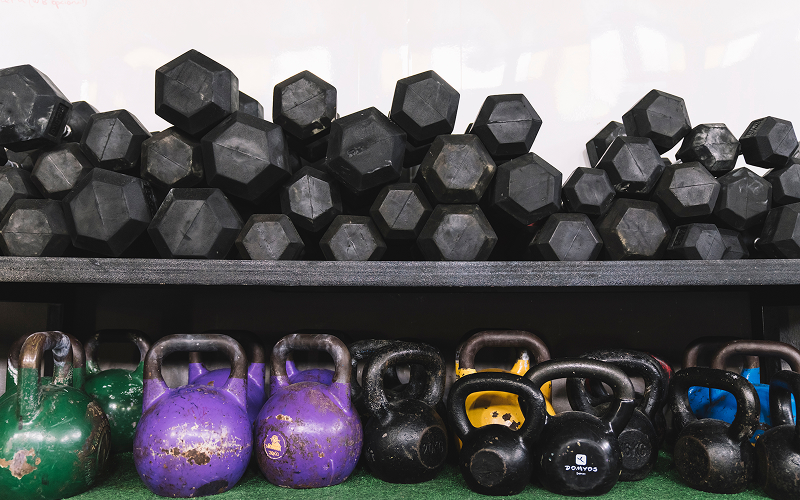
Free weights often look simple to move, but they are one of the easiest parts of a home gym to underestimate. Dumbbells, kettlebells, and weight plates become difficult to manage once packed in bulk, and overloaded cartons can split or become unsafe to lift.
Use small reinforced boxes instead of large cartons, and spread the weight across multiple containers. If weights need to be staged before loading, avoid placing them directly on vinyl, timber, or tiled flooring. Rubber mats, thick cardboard, or moving blankets can help reduce scratches, dents, and cracked tiles.
Check Access Requirements Before Moving Day
In Singapore, access planning is often just as important as dismantling the equipment itself. Before moving day, measure your larger gym items after any partial disassembly and compare those dimensions against the doorways, corridors, lift interiors, and turning spaces in both your current and new home. This helps you identify early whether a treadmill, rack, or cable machine can be moved out safely as planned, or whether further dismantling may be needed.
If you are moving from or into a condominium, also check the building’s moving requirements in advance. Some properties require lift booking, protective lift padding, loading bay reservations, moving deposits, or adherence to specific moving hours. If a machine cannot fit safely into the lift, you should also confirm whether stair access is possible and whether your movers need to plan for a different carrying route.
A Guide to Moving Different Types of Gym Equipment
Treadmills
Treadmills are one of the hardest machines to relocate because they combine a heavy base, long frame, and delicate electronic components. Before moving one, disconnect the power, remove loose accessories, fold the deck if the model allows it, and protect the console carefully. Larger treadmills may also need partial dismantling so they can fit through a lift or doorway more safely.
Squat Racks and Power Cages
Squat racks and power cages are usually too bulky to move intact through Singapore homes. It is generally safer to dismantle the uprights, crossbars, safety arms, and attachments before transport. Weight plates should always be packed separately rather than left loose around the frame.
Cable Machines and Functional Trainers
Cable machines often require the most attention during disassembly because the pulley and cable layout can be confusing to restore later. Take clear photos of the routing path, pulley positions, and weight stack setup before taking anything apart. Selector pins, rods, and loose attachments should also be packed separately to avoid misplacing them.
Dumbbells, Kettlebells, and Barbells
These items may be smaller than machines, but they are often the most tiring part of the move because of their combined weight. Pack them in small batches, keep boxes manageable, and make sure there is enough floor protection wherever the weights are temporarily stored before loading.
When to Hire a Movers Company for Gym Equipment Relocation
If your home gym includes a treadmill, power rack, cable machine, or multiple sets of free weights, hiring a professional movers company is often the safer option. Gym equipment is difficult to move not just because it is heavy, but because it often needs to be dismantled, wrapped, carried through tight spaces, and loaded carefully alongside the rest of the household move.
An experienced house moving company in Singapore can help reduce some of the risks involved in moving gym equipment with their knowledge and experience. This may include safer lifting of bulky items, protective wrapping for machines and flooring, more organised loading, and better handling of equipment in lifts or narrow corridors. This can be especially helpful if your move also involves condo booking requirements, limited access windows, or other bulky furniture.
Professional movers may also be useful if part of your home gym will not be set up immediately in the new property. If some items need to be stored temporarily, combining your relocation with moving and storage in Singapore can make it easier to keep large machines and weights organised until you are ready to install them again.
Moving Your Home Gym More Safely With GMove Logistics
Moving gym equipment safely requires more than just manpower. From dismantling larger machines and packing free weights to protecting floors, managing lift access, and transporting bulky equipment through tight spaces, even a modest home gym can become one of the most demanding parts of a house move.
At GMove Logistics, we support homeowners with bulky-item relocations by planning around the practical challenges that often complicate gym-equipment moves. This may include assessing whether larger machines should be partially dismantled before moving day, organising protective wrapping for frames and delicate surfaces, preparing heavy items for safer loading, and coordinating transport routes through condo lifts, corridors, and common areas. For home gyms with multiple machines or large quantities of free weights, structured loading also helps keep heavy items more organised and reduces unnecessary handling during the move.
If your relocation involves treadmills, racks, benches, cable machines, or other large exercise equipment, we can help you plan the move as part of your wider household relocation in Singapore.
Contact us to discuss your move and get support for transporting your bulky home gym equipment more safely.

