

Key Takeaways
- Temporary storage helps bridge the gap when renovation delays prevent you from moving into your new home as planned.
- Fixed moving dates often clash with unpredictable renovation schedules, creating logistical challenges for homeowners.
- Storage-in-transit services allow your belongings to remain secure until your property is fully ready for occupancy.
- Integrating moving and storage under one provider reduces handling, coordination issues, and the risk of damage.
- Working with a house moving company in Singapore that offers integrated storage services can simplify your move when renovation schedules change unexpectedly.
Introduction
You have planned everything carefully.
Your current lease is ending. The movers have been booked. Utility transfers are arranged. Renovation work at your new home was supposed to be finished next week.
Then comes the call.
The custom carpentry is delayed. The flooring contractor needs additional time. A final rectification has pushed the handover date back by another two weeks.
Suddenly, you face a problem many Singapore homeowners know all too well. You need to move out, but you cannot move in.
Whether you are upgrading to a condominium, relocating between HDB flats, or moving into a newly renovated landed property, renovation delays can create a difficult gap between moving dates and actual occupancy. During this period, your furniture, appliances, and personal belongings still need somewhere safe to go.
This is where temporary storage becomes an invaluable part of the moving process. Rather than scrambling for last-minute alternatives, homeowners can use secure storage solutions to keep their relocation plans on track while giving renovation work the time they need to be completed properly.
Why Renovation Delays Create a Moving Problem
Many homeowners assume they can simply adjust their moving date if renovations take longer than expected. In reality, that is often easier said than done.
Moving Dates Are Often Fixed
Some parts of a move offer little flexibility.
For example:
- HDB resale completion dates are typically predetermined.
- Rental agreements have fixed move-out requirements.
- Key collection appointments are scheduled in advance.
- School terms and work commitments may limit available moving periods.
- Overseas relocation schedules often involve strict timelines.
Once movers have been booked and arrangements made, changing those plans can become expensive and complicated.
Renovation Timelines Are Less Predictable
Unlike moving schedules, renovation timelines often involve many variables.
A project that appears nearly complete can still encounter delays due to:
- Late material deliveries
- Imported fixtures arriving behind schedule
- Carpentry fabrication delays
- Electrical or plumbing rectifications
- Additional works discovered during renovation
- Contractor scheduling conflicts
Custom carpentry is one of the most common causes of delay. Built-in wardrobes, kitchen cabinets, feature walls, and storage systems often require precise fabrication and installation. If measurements need adjustment or materials arrive late, the completion timeline can shift significantly.
A one-week delay can quickly become three weeks.
When these two realities collide, homeowners often need a temporary solution while their property is being prepared.
The Three Most Common Reactions Homeowners Have (And Why They Often Backfire)
When renovation delays occur, most homeowners instinctively look for alternatives to professional storage.
Unfortunately, these solutions often create new problems.
Moving Everything Into An Unfinished Home
At first glance, this seems like the simplest option.
After all, the property already belongs to you.
However, placing furniture into an active renovation site can create several issues.
Construction dust remains present long after major works have been completed. Fine particles can settle into:
- Sofas and upholstery
- Mattresses
- Curtains
- Electronics
- Kitchen appliances
Furniture may also need to be repeatedly moved as contractors complete remaining works.
Imagine trying to install wardrobe doors while large furniture pieces occupy the room. Contractors may need to shift items around repeatedly, increasing the likelihood of scratches, dents, and accidental damage.
Even final cleaning becomes more difficult when furniture is already occupying the space.
Storing Everything With Family or Friends
Many homeowners initially consider using spare rooms or storage space offered by relatives.
While generous, this arrangement often becomes less practical than expected.
Large furniture can quickly overwhelm available space.
Consider a typical four-room HDB household. The contents may include:
- Beds and mattresses
- Dining tables
- Sofas
- Televisions
- Kitchen appliances
- Dozens of packed boxes
Most family members simply do not have enough room to accommodate an entire household.
Even if space is available, multiple loading and unloading sessions increase handling risks and create inconvenience for everyone involved.
Delaying The Move Entirely
Some homeowners attempt to extend their current housing arrangements.
Depending on the situation, this may involve:
- Extending a rental lease
- Booking temporary accommodation
- Rescheduling movers
While possible, these options can quickly become costly.
Short-term accommodation often carries premium pricing. Rebooking moving services may incur additional charges. Some arrangements may not even be available on short notice.
For many homeowners, temporary storage ultimately becomes the most practical and cost-effective solution.
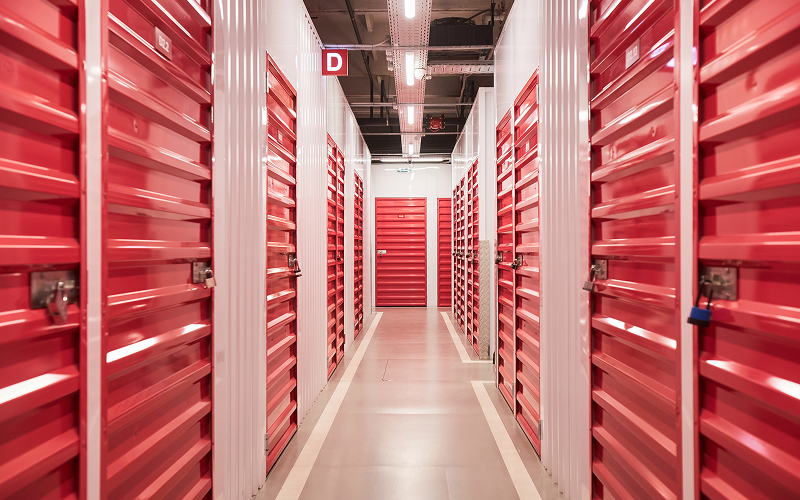
What Temporary Storage Actually Looks Like During A Real Move
Many people hear the term storage and imagine renting a storage unit and handling everything themselves.
Many homeowners are surprised to learn that experienced movers and packers in Singapore can manage the entire process, from packing and transportation to storage and final delivery, under a single coordinated plan.
Consider this example.
Week One: Moving Day Arrives
Your movers arrive as scheduled.
Furniture is dismantled where necessary, carefully wrapped, and inventoried. Boxes are labelled and loaded onto moving vehicles.
Instead of heading directly to your new home, the items are transported to a secure storage facility.
Week Two: Renovation Continues
While your belongings remain safely stored, contractors complete outstanding work.
You can focus entirely on renovation progress without worrying about furniture getting in the way.
Week Four: Unexpected Delays Appear
Additional rectification work is required.
Because your belongings are already in storage, there is no pressure to rush the process or accept unfinished work.
Week Five: Final Handover
The property is cleaned and prepared for occupancy.
Week Six: Delivery To Your New Home
Movers retrieve your belongings from storage and deliver them directly to the completed property.
This type of transit storage during relocation creates a buffer that allows both the renovation and relocation processes to proceed independently.
For homeowners, it removes much of the stress associated with changing timelines.
Which Household Items Benefit Most From Temporary Storage?
Not every item carries the same storage requirements.
Certain belongings benefit particularly from secure storage during renovation delays.
Large Furniture
Bulky furniture is often the most difficult category to manage during delays.
Examples include:
- Sofas
- Dining sets
- Bed frames
- Wardrobes
- Display cabinets
These items consume significant space and are difficult to move multiple times.
Electronics And Appliances
Modern households contain numerous valuable electronic items.
Examples include:
- Televisions
- Desktop computers
- Gaming systems
- Audio equipment
- Kitchen appliances
These items are particularly vulnerable to dust exposure and accidental impact during active renovation works.
Fragile Household Items
Glassware, artwork, mirrors, decorative pieces, and collectibles benefit from professional packing and storage.
A controlled environment helps minimise unnecessary movement and handling.
Furniture Awaiting Installation
Many homeowners arrange furniture storage before move-in when purchasing new furnishings ahead of renovation completion.
This prevents delivery schedules from becoming another source of stress while waiting for work to finish.
How Relocation Storage Can Actually Reduce Moving Costs
Some homeowners initially view storage as an added expense.
However, when viewed within the context of the entire move, it can often help prevent higher costs.
Avoiding Multiple Moves
Without storage, homeowners sometimes move belongings between several locations.
For example:
Current Home → Relative’s House → New Home
Each additional move introduces:
- Labour costs
- Transport costs
- Scheduling requirements
- Damage risks
A properly coordinated storage arrangement often proves more efficient.
Reducing Damage Risks
Furniture that is repeatedly moved faces greater exposure to wear and tear.
Scratched dining tables, chipped corners, damaged upholstery, and cracked glass are all common consequences of unnecessary handling.
Storage reduces the number of transfer points involved.
Preventing Last-Minute Decisions
Emergency solutions often cost more.
When homeowners only start looking for storage after delays have already occurred, they may face limited availability and higher costs.
Planning ahead generally provides more options and better value.
What To Look For In A Storage Provider During A Move
Not all storage arrangements offer the same level of protection or convenience.
When evaluating providers, homeowners should consider several factors.
Inventory Management
A professional system should document every item entering storage.
Accurate inventory tracking provides accountability and simplifies final delivery.
Protective Packing Standards
Furniture should be wrapped using suitable protective materials designed for storage and transport.
This helps minimise:
- Dust accumulation
- Surface scratches
- Moisture exposure
- Handling damage
Security Measures
Storage facilities should implement multiple layers of security.
These may include:
- CCTV monitoring
- Restricted access
- Warehouse management systems
- Controlled entry procedures
Flexible Scheduling
Renovation timelines can change unexpectedly.
Providers should be able to accommodate revised delivery dates when required.
Integrated Moving Services
Many homeowners increasingly prefer moving and storage integration services that combine packing, transportation, storage, and final delivery into a single service from one provider.
Working with experienced professional movers in Singapore who offer integrated solutions can significantly simplify coordination and reduce the likelihood of miscommunication.
Renovation Delay Checklist: What To Do The Moment Your Timeline Changes
When your contractor informs you of a delay, acting early can make a major difference.
Speak To Your Contractor Immediately
Clarify the cause of the delay and obtain a realistic revised completion timeline.
Inform Your Movers
Early communication allows movers to adjust arrangements before schedules become difficult to change.
Reserve Storage Capacity
Storage demand can fluctuate, particularly during peak moving periods.
Securing storage early provides greater flexibility.
Separate Essential Items
Prepare a separate collection of items you may need during the storage period.
Examples include:
- Daily clothing
- Personal documents
- Medications
- Work equipment
- Chargers
Take The Opportunity To Declutter
Renovation delays often create an ideal opportunity to review what you actually want to bring into your new home.
Many homeowners use this period to engage disposal services for unwanted furniture, old appliances, and household items that no longer serve a purpose.
Arriving at your new home with fewer unnecessary belongings can make unpacking significantly easier.
When Storage Support Is Worth It (And When It Might Not Be)
Storage is not necessary for every renovation delay.
It tends to provide the greatest value when:
- Delays exceed one week
- Large amounts of furniture are involved
- Valuable belongings require protection
- Move-out dates cannot be changed
- Family storage options are limited
On the other hand, a short delay of a few days involving minimal furniture may not justify a dedicated storage solution.
The right decision ultimately depends on the scale of the move, the duration of the delay, and the amount of flexibility available.
Conclusion
Renovation delays can feel frustrating because they create uncertainty at a time when homeowners are trying to plan every detail of their move.
Fortunately, delays do not have to disrupt the entire relocation process. Interim storage solutions provide a practical way to bridge the gap between moving out and moving in, giving homeowners the flexibility to complete renovations properly while keeping their belongings secure.
At GMove Logistics, we offer seamless storage and relocation solutions designed around real moving challenges. Whether you need short-term storage, integrated moving services, or support navigating unexpected renovation delays, our team is ready to help make your transition as smooth as possible.
Contact us today to discuss a storage solution that fits your moving timeline.

