

Key Takeaways
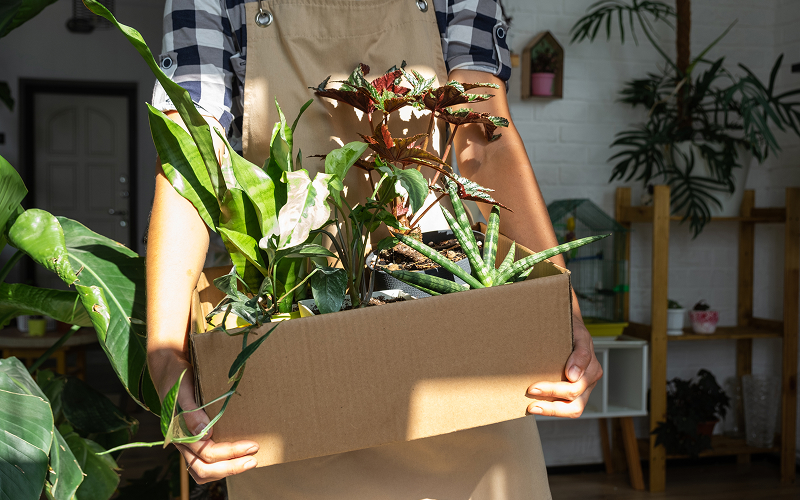
- Transporting plant pots safely starts with reducing excess water, checking access routes and securing each pot upright before loading.
- Smaller indoor plants are easier to move in open crates or shallow boxes, while taller plants need gentle support around stems and foliage.
- Large ceramic pots, balcony planters and mature plants may require coordinated handling, especially in lifts, corridors and stairwells.
- Singapore’s heat, humidity and sudden rain can create additional stress, so plants should spend as little time as possible in loading bays or enclosed vehicles.
- Engaging movers and packers in Singapore can be useful when the move includes heavy planters, fragile pots or a larger home garden collection.
For many homeowners, plants are part of the home rather than simple decorative items. A well-established monstera in the living room, herbs on the kitchen ledge or a balcony garden built up over several years can make a new home feel familiar from the first day.
However, moving plants is often more difficult than expected. Pots are heavier than they look, foliage can be damaged easily, and plants can react quickly to heat, dehydration or sudden changes in light. In Singapore, where moving day may involve strong sun, humid loading bays, rain showers and condominium access restrictions, careful preparation matters.
Whether you are moving a few small indoor plants or relocating an entire balcony garden, following the right plant relocation tips can reduce damage to pots, roots and leaves while making the rest of the move easier to manage.
Why Moving Plants Is More Difficult Than Most Homeowners Expect
Plants are living things, which means they respond to their surroundings throughout the move. Furniture can be wrapped, stacked and left in a vehicle for a short period without much concern. Plants, on the other hand, may be affected by temperature changes, poor airflow, rough movement and unfamiliar lighting conditions.
Even healthy plants may show temporary signs of stress after relocation, including:
- Drooping leaves
- Yellowing foliage
- Minor leaf loss
- Dry leaf edges
- Slower growth for a short period
These symptoms do not always mean the plant is dying. Many plants need time to adjust after being moved, especially when they are placed in a new environment with different sunlight, airflow or humidity levels.
Soil Makes Plant Pots Much Heavier
One of the most common mistakes homeowners make is underestimating the weight of potted plants. Soil, roots and water can add significant weight, particularly in larger ceramic planters or long balcony troughs.
This can create practical problems during the move. A heavy pot may be difficult to grip securely, may scratch flooring if dragged and can become unstable when carried through narrow spaces. Wet soil also increases the chance of water leaks, soil spillage and root disturbance during transport.
Larger plants may be especially challenging when they are housed in:
- Ceramic or concrete pots
- Deep decorative planters
- Oversized balcony containers
- Pots with dense root systems
- Planters filled with pebbles, moss or decorative stones
Singapore’s Climate Adds More Moving Risks
Singapore’s tropical climate may suit many houseplants, but moving day can still expose them to conditions that are more stressful than their usual environment.
For example, plants may be left in a loading bay while other items are carried down, placed near direct afternoon sunlight or kept inside an enclosed vehicle during a delay. Sensitive plants can become stressed quickly in these conditions, even if they are tropical varieties.
Common concerns include:
- Heat building up in parked vehicles
- Direct sunlight on leaves and foliage
- Sudden rain exposure during loading
- High humidity around loading bays
- Reduced airflow when plants are packed too closely together
Ferns, orchids, calatheas, peace lilies and young propagated plants can be especially sensitive to prolonged heat and dehydration.
Common Mistakes When Transporting Potted Plants
Watering Heavily Just Before Moving Day
It may seem sensible to give plants a thorough watering before the move. In reality, heavily saturated soil usually makes transport harder.
A freshly watered pot becomes heavier, less stable and more likely to leak. Waterlogged soil can also shift inside the pot during transport, which may disturb roots or cause the plant to lean.
Instead, aim for soil that is slightly moist rather than fully saturated. This gives the plant enough moisture for the move without creating unnecessary weight or mess.
Leaving Plants Loose in the Vehicle
Plants should not be placed directly on the floor of a moving vehicle without support. Even a short journey can involve braking, turns and uneven road surfaces that cause pots to slide or tip over.
Unsecured pots may lead to:
- Broken stems
- Cracked planters
- Bent leaves
- Soil displacement
- Damaged root systems
Tall plants are particularly vulnerable, as their height can make them unstable during movement.
Forgetting About Lift, Doorway and Corridor Clearance
A large plant may fit comfortably in your home but still be difficult to move out. Wide foliage, tall stems and bulky pots can become a problem in condominium lifts, HDB corridors, stairwells and narrow door frames.
Before moving day, check whether the plant needs to be angled through the space, lightly tied for protection or moved separately from other household items. This is especially important for taller fiddle leaf figs, bird of paradise plants, palms and large monsteras.
Packing Plants Too Tightly Together
Smaller plants can be grouped together for stability, but they should not be compressed tightly into cartons or bins. Delicate leaves may bruise when pressed against other pots, while damp foliage can become damaged if airflow is restricted for too long.
It is better to use open crates, shallow cartons or plastic tubs that keep the pot stable while allowing the leaves to remain exposed.
How to Prepare Plants Before Moving Day
Reduce Watering Slightly Before the Move
A few days before moving, avoid overwatering your plants. Allow the top layer of soil to dry slightly, especially for larger pots that will be difficult to carry.
This can help to:
- Reduce the weight of the pot
- Lower the risk of water leakage
- Make the pot easier to stabilise
- Reduce soil movement during transport
Do not allow plants to become severely dry just to make them lighter. The goal is to avoid saturated soil, not to dehydrate the plant.
Prune Damaged or Excess Foliage
Light pruning before relocation can make plants easier to handle and reduce the chance of breakage. Remove leaves and stems that are already dry, weak or damaged.
For larger plants, trimming a small amount of overgrown foliage may also make it easier to move through lifts and doorways. Avoid aggressive pruning immediately before the move, particularly for sensitive plants that may already be under stress.
Inspect for Pests and Mould
A move is a useful opportunity to inspect every plant before bringing it into the new home. Check the undersides of leaves, stems, and the soil surface for signs of pests such as mealybugs, fungus gnats, or spider mites.
Also look out for mould growth, standing water in trays or decaying leaves around the base of the plant. Treating these problems before relocation helps prevent them from spreading to other plants or becoming harder to manage after the move.
Clean the Pots and Remove Loose Decorations
Wipe down the outside of each pot to remove soil, water marks and loose dirt. This improves grip during handling and reduces the chance of mud being transferred onto flooring, lift interiors or vehicle surfaces.
For outdoor pots, remove loose pebbles, decorative stones, moss, trellises and ornaments where possible. These items can shift during transport and may damage the plant or pot.
How to Transport Indoor Plants Safely
Smaller Indoor Plants
Small plants are usually easier to manage, but they can still tip over easily. Place them in open crates, shallow cartons or sturdy plastic storage tubs with enough space around each pot.
Use soft padding, towels or crumpled paper around the base of the pots to reduce movement. Keep foliage uncovered where possible so leaves are not crushed or exposed to excessive moisture.
This method is useful for smaller plants such as:
- Pothos
- Snake plants
- Peace lilies
- Small philodendrons
- Herbs and kitchen plants
- Succulents and cacti
For cacti or plants with sharp foliage, protect the surrounding area carefully and avoid wrapping material too tightly around the plant itself.
Tall Indoor Plants
Taller plants need more planning because they are more likely to bend, catch against walls or become unstable in transit.
Use soft plant ties or fabric strips to loosely gather long stems and foliage closer to the main trunk. Bamboo stakes can provide support for plants that are already top-heavy. Avoid tying leaves too tightly, as this can bruise stems or restrict airflow.
Measure tall plants in advance and consider the height of:
- Lift interiors
- Door frames
- Stairwells
- Corridor ceilings
- Vehicle loading space
This is especially useful for large monsteras, fiddle leaf figs, indoor palms, bird of paradise plants and climbing plants supported by moss poles.
How to Move Outdoor Plants and Balcony Gardens
Outdoor plants often come with larger, heavier pots and more loose materials around the base. They may also be exposed to rain or direct sun while waiting to be loaded.
Handle Large Ceramic and Concrete Pots Carefully
Ceramic and concrete planters can be both heavy and fragile. A small knock against a wall, lift edge or vehicle floor may crack the pot, while lifting it incorrectly can put strain on the person carrying it.
For very large planters, consider whether it is practical to move the plant in its existing pot. In some cases, transferring the plant into a lighter nursery pot before the move may be safer. The decorative planter can then be transported separately.
This is particularly worth considering when the plant is in a pot that is:
- Difficult to lift without several people
- Too wide for a lift or doorway
- Already cracked or fragile
- Filled with very dense soil or heavy stones
- Positioned on a balcony with limited access
Secure Trellises and Climbing Supports
Climbing plants, tomato plants, balcony vines and plants attached to trellises need extra attention. Secure loose stems gently to the support structure, then protect the entire plant from rubbing against other items during transport.
Where possible, remove detachable trellises and transport them separately. This reduces the risk of the support shifting and damaging the plant during movement.
Consider Repotting After the Move
Repotting can be stressful for plants, so it is usually better to avoid doing it immediately before relocation unless the existing pot is unsuitable for transport.
For oversized plants, a practical approach may be to move the plant temporarily in a lighter container, then repot it after it has had time to settle into the new home. This can reduce transport weight while allowing you to choose a suitable location and pot size later.
Protecting Plants and Home During Moving
Protect Flooring and Common Areas
Plants can drip water, shed soil and leave marks on flooring. Use plastic liners, trays, towels or protective floor coverings beneath pots during handling.
This is especially important in condominium developments where common areas, lift interiors and corridor flooring need to remain clean. It can also help prevent slipping hazards when soil or water is carried into walkways.
Keep Plants Upright and Stable
Whenever possible, transport plants upright. Laying a plant on its side may cause soil to shift, foliage to bend and roots to become unsettled.
Place heavier pots on a stable, flat surface and secure them so they cannot slide during transit. Taller plants should be positioned where they are less likely to lean or be hit by other moving items.
Minimise Time in Direct Heat
Try not to leave plants waiting outside for long periods, especially in the afternoon. Load plants closer to the end of the moving process where possible, then unload them early at the new property.
This helps reduce time spent in enclosed vehicles, loading bays and direct sunlight. It also means the plants can be placed in a sheltered area while the rest of the move is completed.
For moves involving large numbers of plants, working with professional movers in Singapore can help coordinate loading order, lift timing and access requirements more efficiently.
Helping Plants Recover After Relocation
Reintroduce Light Gradually
Your new home may have different sunlight angles, window exposure and airflow from your previous property. Even a plant that was thriving before the move may need time to adjust.
Avoid placing stressed plants immediately under strong afternoon sunlight. Start by placing them in bright but indirect light, then monitor how they respond over the next one to two weeks.
Expect Some Temporary Stress
Leaf drooping, minor yellowing and a small amount of leaf loss can be normal after a move. Avoid making too many changes at once, such as repotting, fertilising heavily or moving the plant repeatedly between rooms.
Give the plant time to stabilise before deciding whether further action is needed.
Resume Watering Carefully
Many homeowners overwater plants after a move because the leaves appear droopy. However, drooping can also be caused by stress, heat exposure or changes in light rather than a lack of water.
Check the soil before watering and return to your usual watering routine gradually. Overwatering stressed roots may create more problems and slow recovery.
When Engaging a Mover Can Help With Plant Relocation
Moving plants yourself may be manageable when you only have a few small pots. However, support from a house moving company in Singapore can be useful when your move includes large planters, heavy ceramic pots, balcony gardens or plants that need to be handled through tight access points.
Professional support may be particularly helpful when you need to manage:
- Large indoor plants that need controlled lifting
- Heavy ceramic or concrete planters
- Lift booking and loading bay restrictions
- Narrow corridors, stairwells or doorways
- Floor protection in the old and new property
- A moving schedule that reduces prolonged heat exposure
- Plant relocation alongside furniture, appliances and other bulky items
For plant-heavy moves, clear coordination can make a meaningful difference. Rather than treating plants as an afterthought, they can be planned into the loading sequence, kept upright where possible and moved at a suitable point in the day.
Move Your Plants More Safely With GMove Logistics
Transporting plants during a move involves more than carrying pots from one home to another. Heavy soil, fragile planters, delicate foliage, lift access and Singapore’s hot weather can all affect how safely plants are moved.
At GMove Logistics, we help homeowners coordinate plant-heavy moves through practical access planning, careful handling and structured loading arrangements. This may include identifying larger or fragile pots in advance, protecting surrounding flooring, planning for lift and corridor clearance, and keeping plants in a stable position during transport.
Whether you are moving a few indoor plants or relocating a larger balcony garden alongside the rest of your home, organised planning can help reduce unnecessary damage and stress on moving day.
Contact us to discuss your upcoming house move and the items that need extra care.

